
Hair Loss Treatment in Ireland
What works for men and women, what it costs here, and who to see first. Answer four questions and see which treatment fits your hair loss.
Free. One Irish clinic contacts you, only if you ask.
The three treatments most people ask about
Medicines first for most people. Injections and surgery come later, if at all.
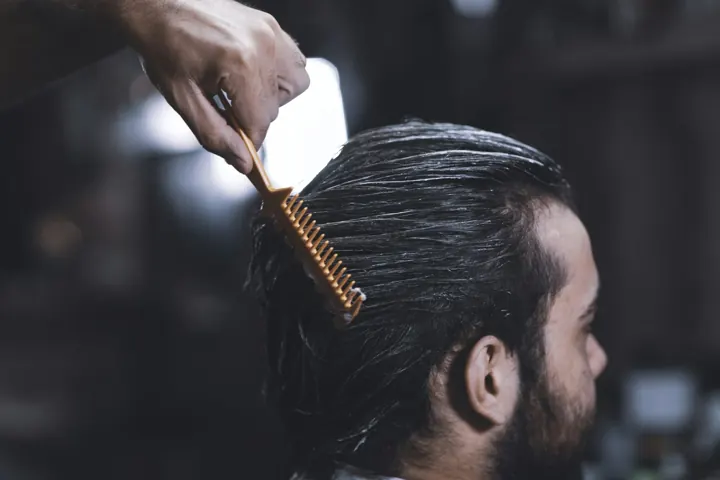
Minoxidil and finasteride
The two medicines with the evidence. One from the pharmacy, one on prescription, both for as long as you want to keep the hair.
See what works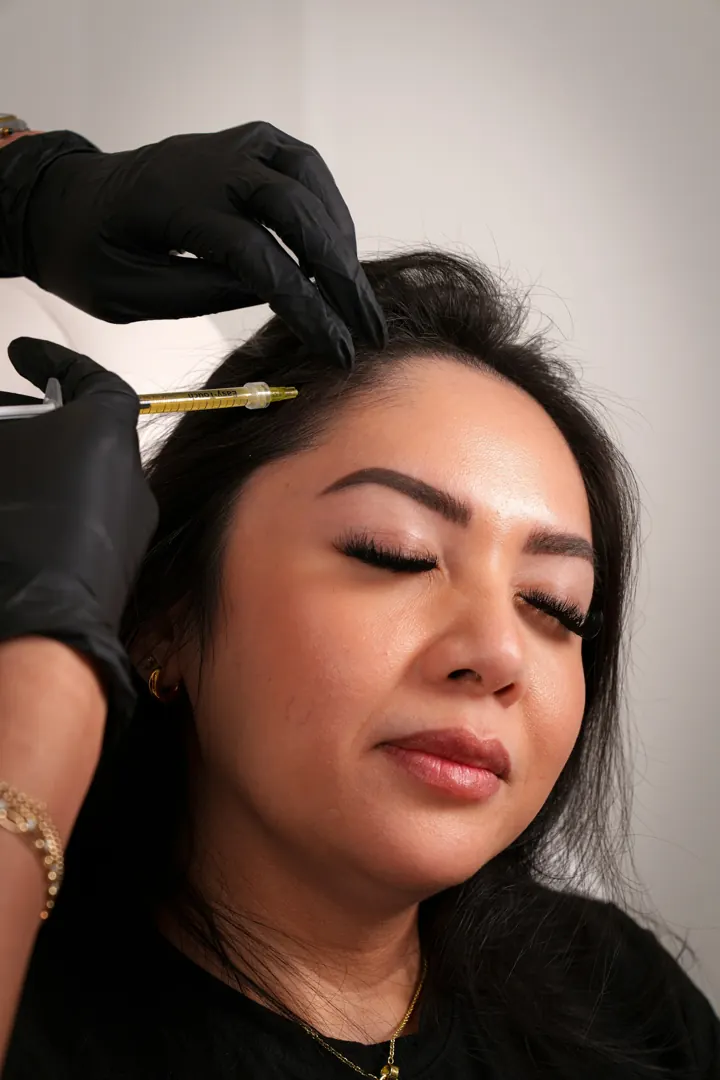
PRP injections
Your own platelets, injected into the scalp over three or four monthly sessions. What it can and can't do.
More on PRP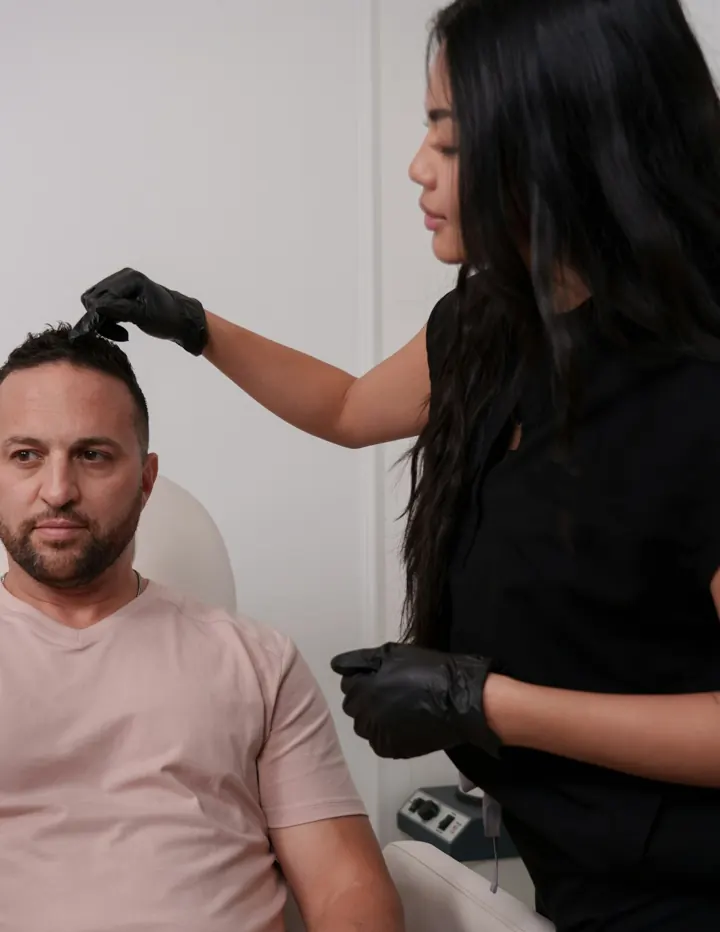
Hair transplants
For hair loss that has settled. FUE or FUT, the first year, and how to check who is doing the work.
More on transplantsAlso on this site: laser, scalp micropigmentation, natural options, wigs and the grant, and our price guide.
Not sure what kind of hair loss it is?
The hair loss check tells you the likely type and which treatments are worth asking about.
- Tap four answersWho you are, what it looks like, how long, any warning signs.
- See what fitsThe likely type, the treatments and our Irish prices. If a GP should see it first, it says so.
- Send it, if you wantAdults can pass it to one Irish hair clinic. You decide, in your own time.
The treatment depends on the type of hair loss
Four patterns cover nearly everyone. The first two are slow and treatable. The other two need time, or a doctor, before any clinic.
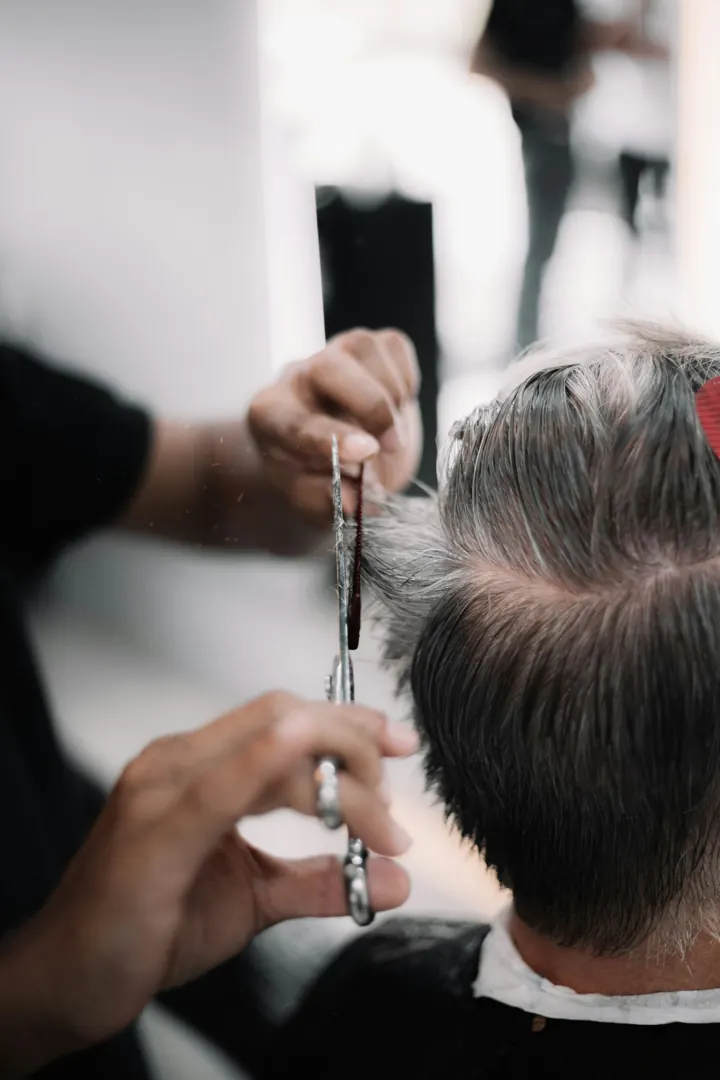
Male pattern hair loss
- What you see
- Temples and crown thinning over years
- What helps
- Minoxidil, finasteride, PRP, a transplant once it settles
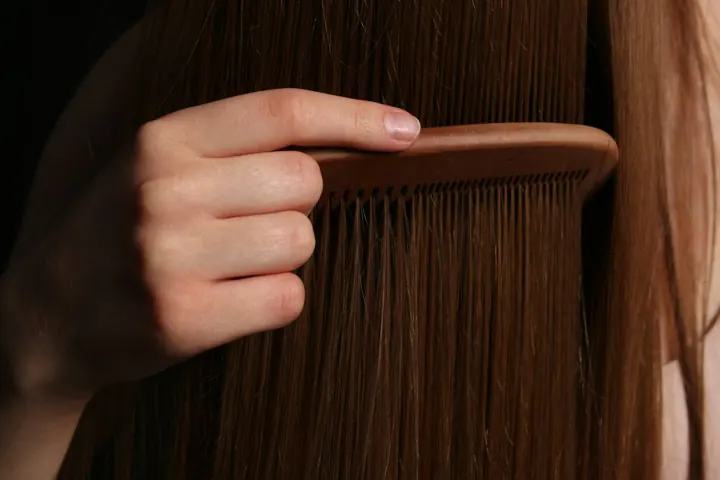
Female pattern hair loss
- What you see
- A wider parting, thin on top, hairline holds
- What helps
- Blood tests first, then minoxidil
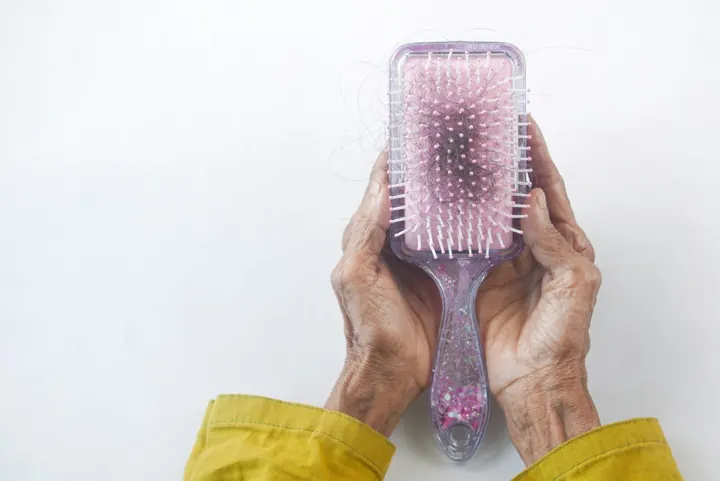
Sudden shedding
- What you see
- Hair falling all over, weeks after illness, a baby or weight loss
- What helps
- Time. It usually regrows within about six months

Alopecia areata
- What you see
- Round, smooth bald patches
- What helps
- A GP or dermatologist: steroid creams or injections
Every treatment, explained
Each guide gives the short answer first, then who it suits, who it doesn't, the cost and the risks.
Treatments
Treatment for menTreatment for womenWhich treatment works?FinasterideMinoxidilPRP for hair lossHair transplantLaser therapyScalp micropigmentationNatural treatmentsWigs and the grantWhen a GP comes before a clinic
Most hair loss is harmless. Some of it is a sign of something a clinic can't treat, and a GP visit costs less than most clinic consultations.
Fine to look at treatment
- slow thinning at the temples or crown in a man
- a slowly widening parting in a woman who has had a normal blood test
- a healthy scalp: no soreness, scale or scarring
- it has been going on for a year or more
See your GP first if you have
- sudden hair loss, or hair coming out in clumps
- round or patchy bald areas
- a scalp that is itchy, sore, burning or scaly
- smooth, shiny or scarred skin where the hair was
- losing eyebrows, eyelashes or body hair
- hair loss with tiredness, weight change or feeling unwell
Hair loss treatment in every county
Each county page has the nearest city for a dermatologist or hair clinic, the drive, and what the trips mean for a course of treatment. The figure beside each county is the number of people living there, CSO Census 2022.
Leinster
Hair loss questions, answered
What is the most effective hair loss treatment?
It depends on the cause. For male pattern hair loss the two medicines with solid evidence are minoxidil on the scalp and finasteride tablets, and a transplant can move hair once the loss has settled. For women, minoxidil is the main medicine. Patchy loss (alopecia areata) is treated by doctors with steroids. No treatment works for everyone, and the HSE is plain that no hair loss treatment is 100% effective.
How much does hair loss treatment cost in Ireland?
Our price guide: a consultation costs €50 to €250, minoxidil €50 to €85 for three months, finasteride €79 for 12 weeks, PRP €225 to €400 a session, and a hair transplant €1,500 to €10,000, with most at €3,500 to €9,500.
Should I see my GP before a hair clinic?
Yes, if the cause isn't obvious. The HSE says to see a GP if your hair loss is sudden, patchy, coming out in clumps, itchy or sore, or you're worried about it. A GP can check for causes a clinic can't treat, such as low iron or a thyroid problem.
Does hair loss treatment work for women?
Yes, though the options differ. Minoxidil is the main medicine for female pattern hair loss, finasteride is not used in women who could become pregnant, and a blood test for iron and thyroid comes first because both are common, fixable causes.
How long before I see a result?
Give any treatment three to six months before you judge it. Hair grows about a centimetre a month, and minoxidil can cause extra shedding in the first weeks before it helps.
Will my hair grow back by itself?
Often, if the cause was temporary. Shedding after illness, stress, childbirth or weight loss usually settles within about six months. Pattern hair loss doesn't reverse without treatment, and it usually keeps going slowly.
Is a hair transplant permanent?
The moved hairs usually last, because they come from the back and sides where hair resists the hormone that causes balding. The hair around them can keep thinning, which is why surgeons usually want you on a medicine as well.
Who contacts me if I send the check?
One Irish hair clinic, not five. We pass your answers on only if you ask us to and tick the consent box. Nothing is booked, and nothing is paid, until you say yes to the clinic.
Is hair loss treatment covered by the HSE or a medical card?
Mostly not for pattern hair loss, which is treated as cosmetic. Your GP can tell you whether a medicine is covered by your medical card or the Drugs Payment Scheme. If your hair loss comes from an illness or its treatment, such as cancer treatment or certain types of alopecia, the Treatment Benefit Scheme pays up to €500 once a calendar year towards a wig or hairpiece, if you or your partner have enough PRSI contributions. It doesn't cover hair loss from ageing.
Can I get tax back on hair loss treatment?
Revenue gives no tax relief on cosmetic procedures. Doctors' fees and prescribed medicines for a diagnosed medical condition can qualify for relief at the standard rate of 20%, so keep your receipts and check with Revenue.